
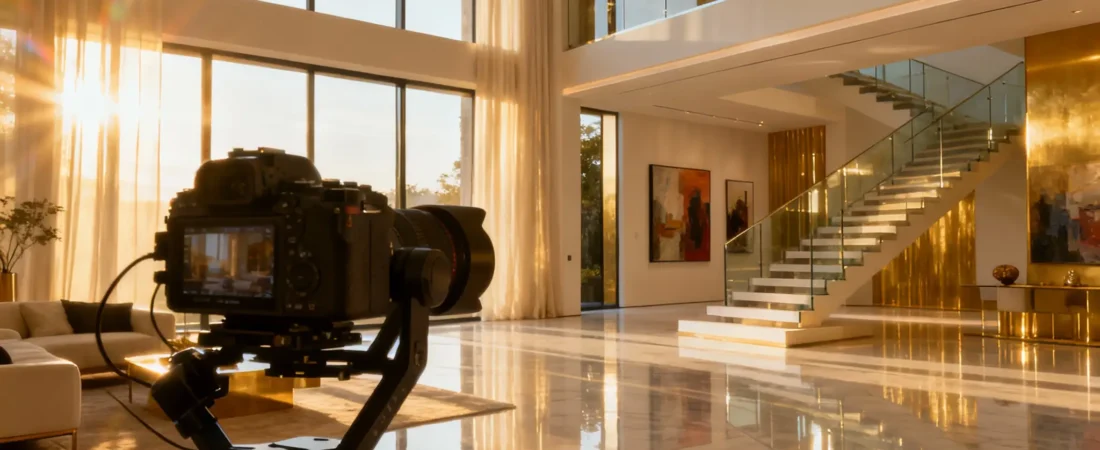
Introduction
In the highly competitive luxury real estate market, the quality of property videography can make or break a listing. High-end real estate professionals and property vid pros understand that showcasing a property with cinematic, detailed, and visually stunning videos not only attracts discerning buyers but also enhances brand credibility. In 2025, advances in camera technology have brought new powerful tools into the hands of property video pro, blending high resolution, excellent dynamic range, and professional-grade video capabilities in increasingly compact and versatile packages.
For property vid pro, selecting the right camera means balancing image quality, video features, ease of use, and integration with accessories like gimbals, drones, and external microphones. This article dives deep into the best cameras tailored for shooting high-end real estate videos in 2025, from mirrorless options with full-frame sensors to advanced features that optimize lighting, color grading, and stabilization—key factors for property video pros shooting luxe interiors and sprawling estate grounds alike.
This comprehensive guide is designed with luxury real estate videographers in mind, offering professional insights into the cameras that maximize visual storytelling impact, streamline workflow, and provide the kind of pristine, attractive footage that matches the high expectations of luxury buyers and real estate agents.
Top Cameras for Property Vid Pros in 2025
The heart of every successful luxury real estate video is the camera. For property video pros, choosing gear that delivers exceptional resolution, color fidelity, and video codecs suitable for cinematic editing is essential. Four cameras stand out in 2025 for their ability to meet the rigorous demands of property vid pro workflows:
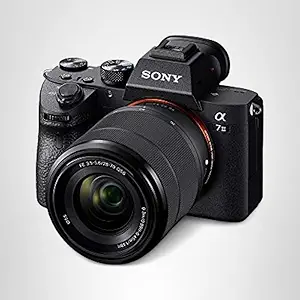
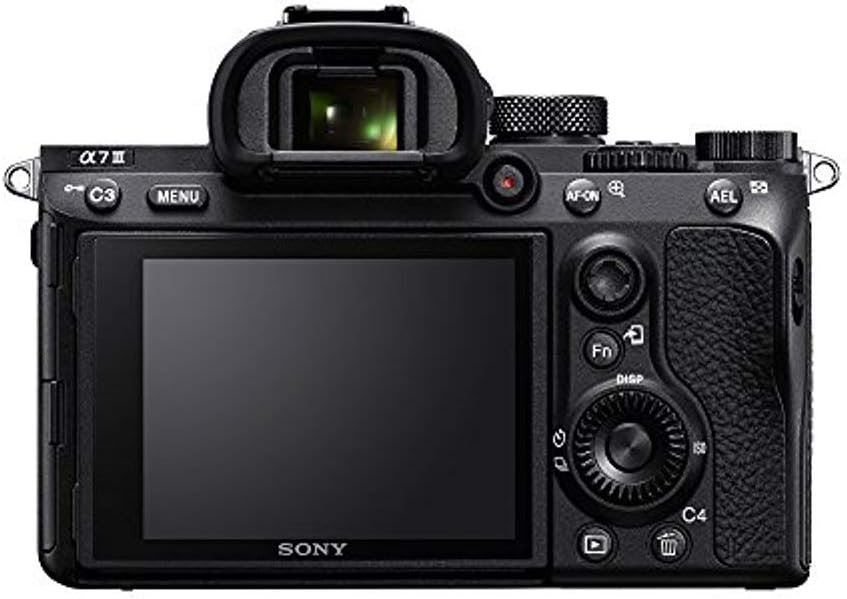
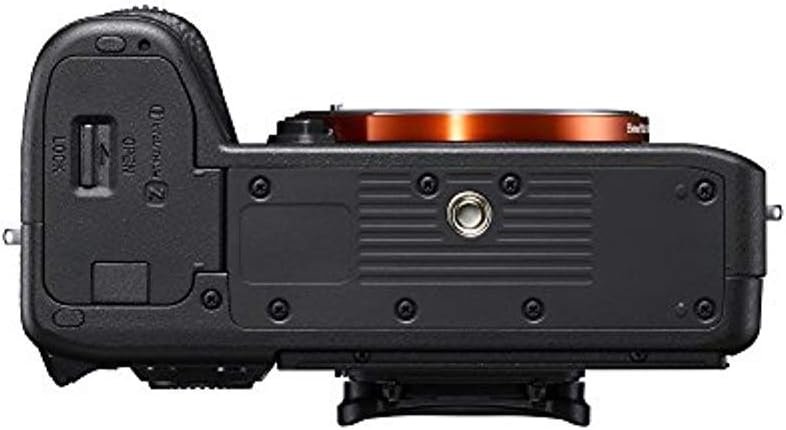
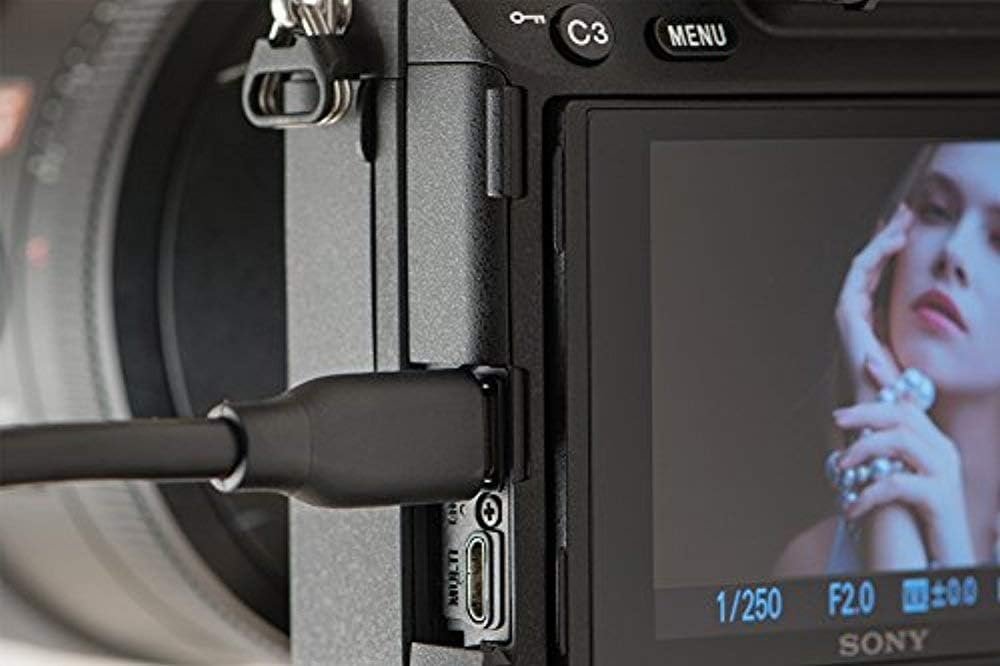
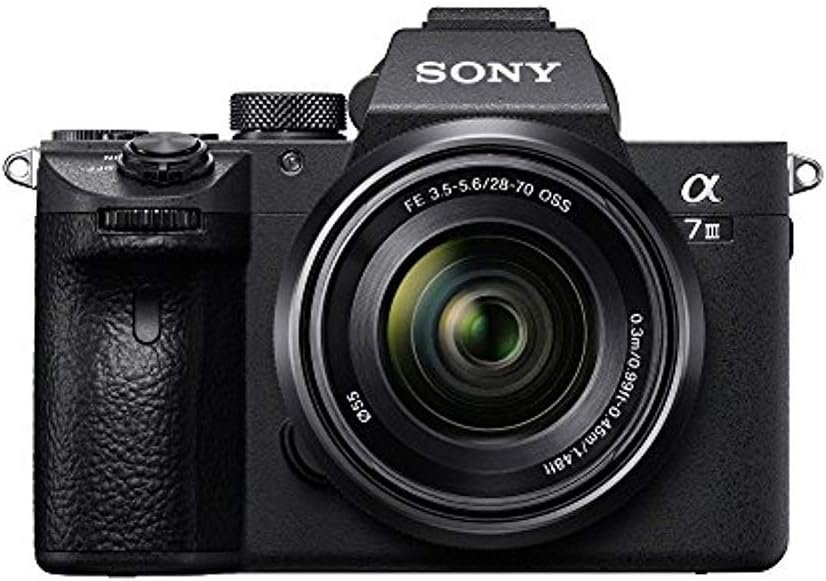
Sony A7 III – Known as the best full-frame all-rounder for real estate videography, the Sony A7 III boasts a 24.2MP full-frame sensor with excellent low-light performance, 4K video recording with S-Log3 and HLG profiles, and in-body image stabilization (IBIS). It supports external microphones and headphones, essential for property vid pros who want crisp sound for interviews or ambient property audio.
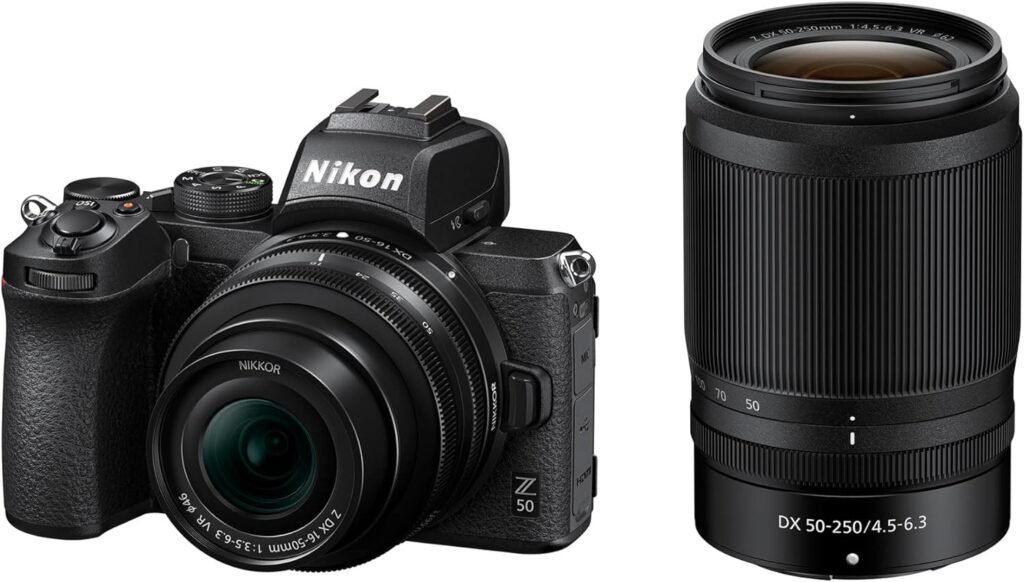
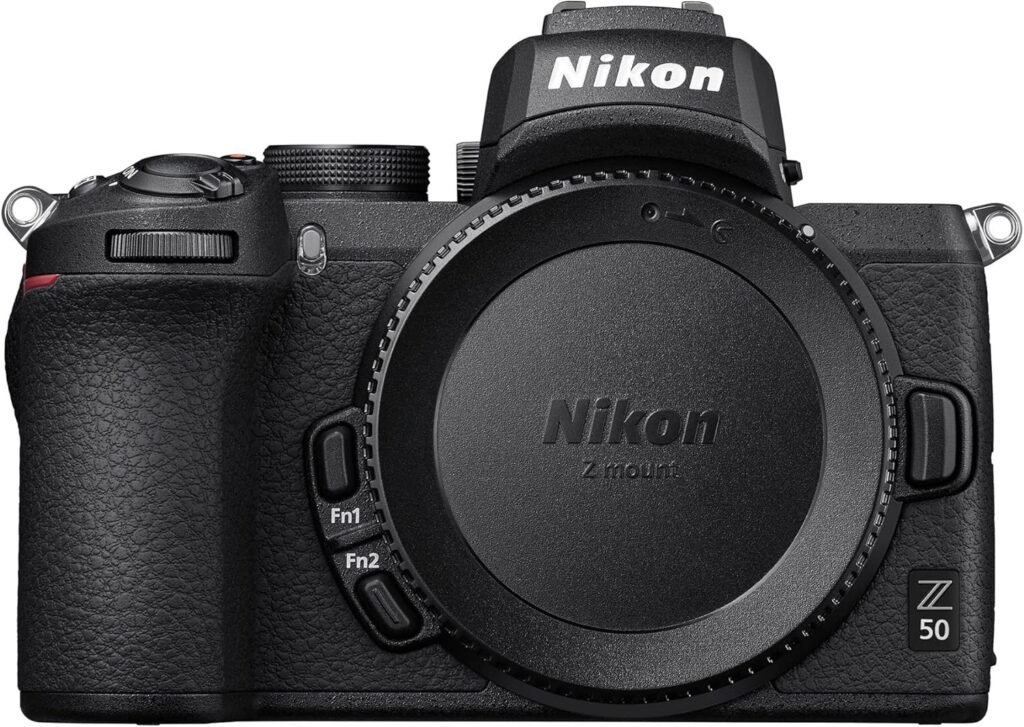
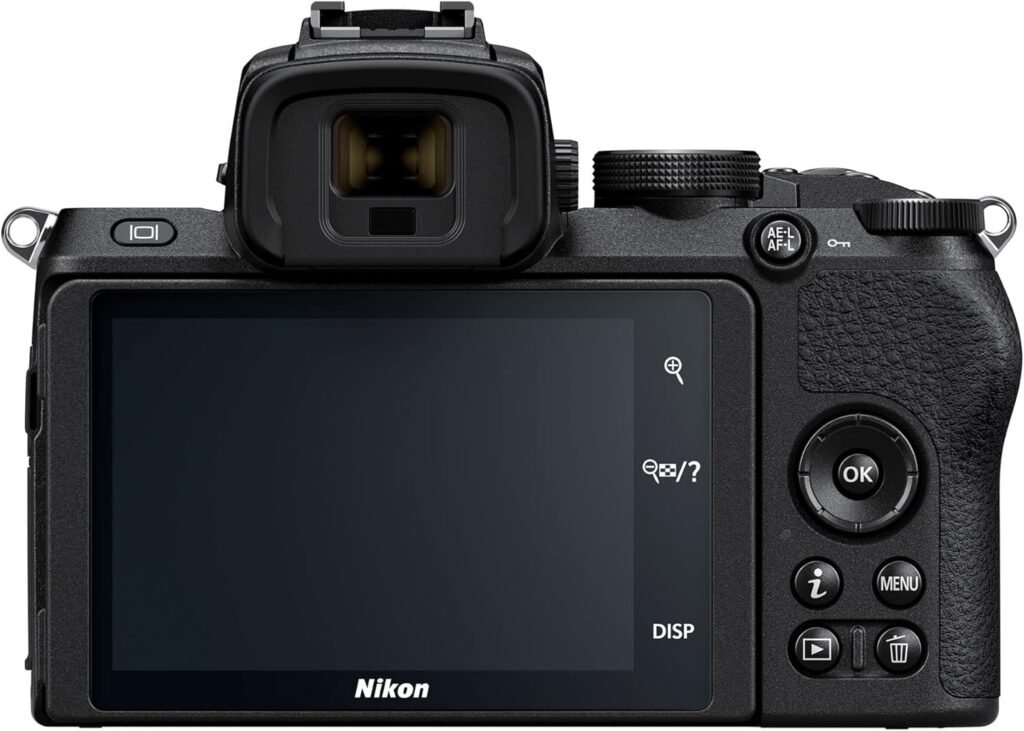
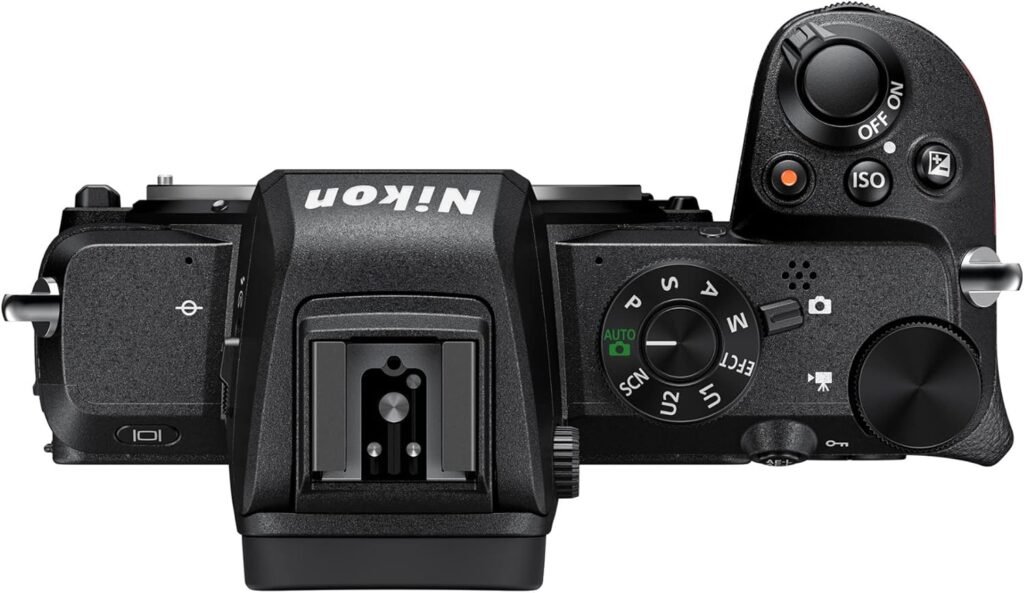
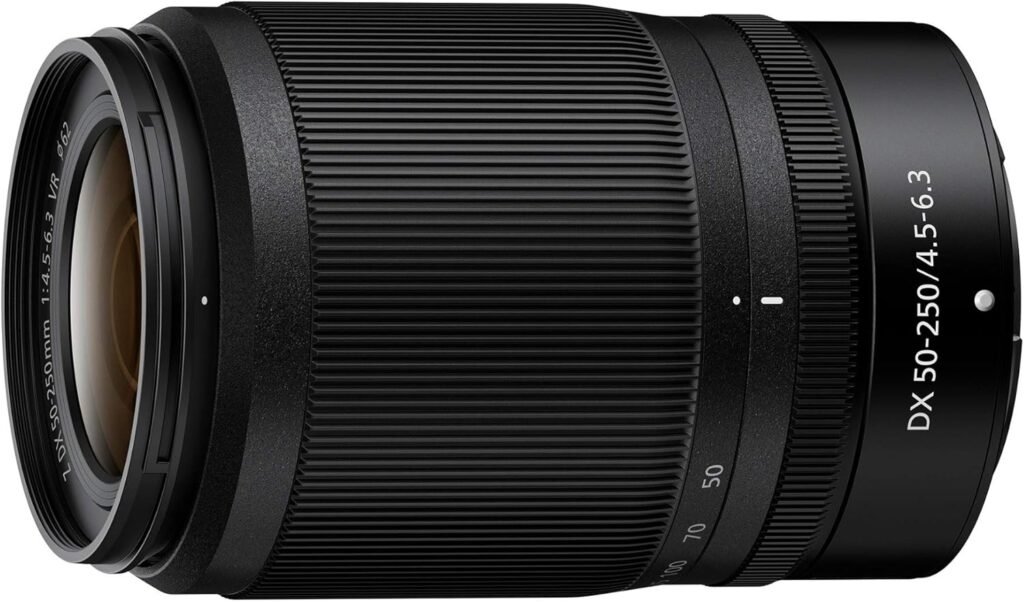
Nikon Z50 II – A more compact APS-C mirrorless option, perfect for property vid pros needing lightweight, portable cameras. It shoots 4K video using the full width of the sensor, avoiding pixel crops that narrow the field of view—crucial for capturing wide luxury rooms and expansive outdoor spaces.
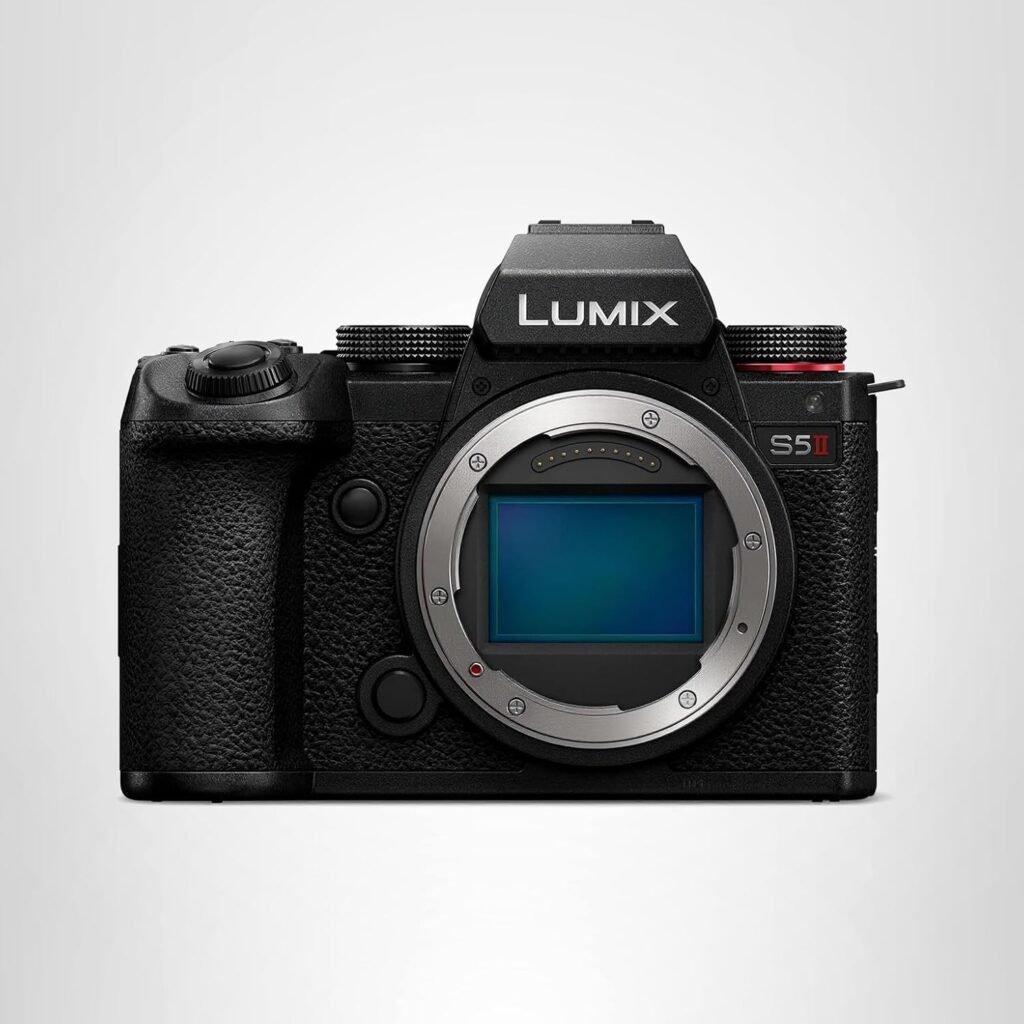
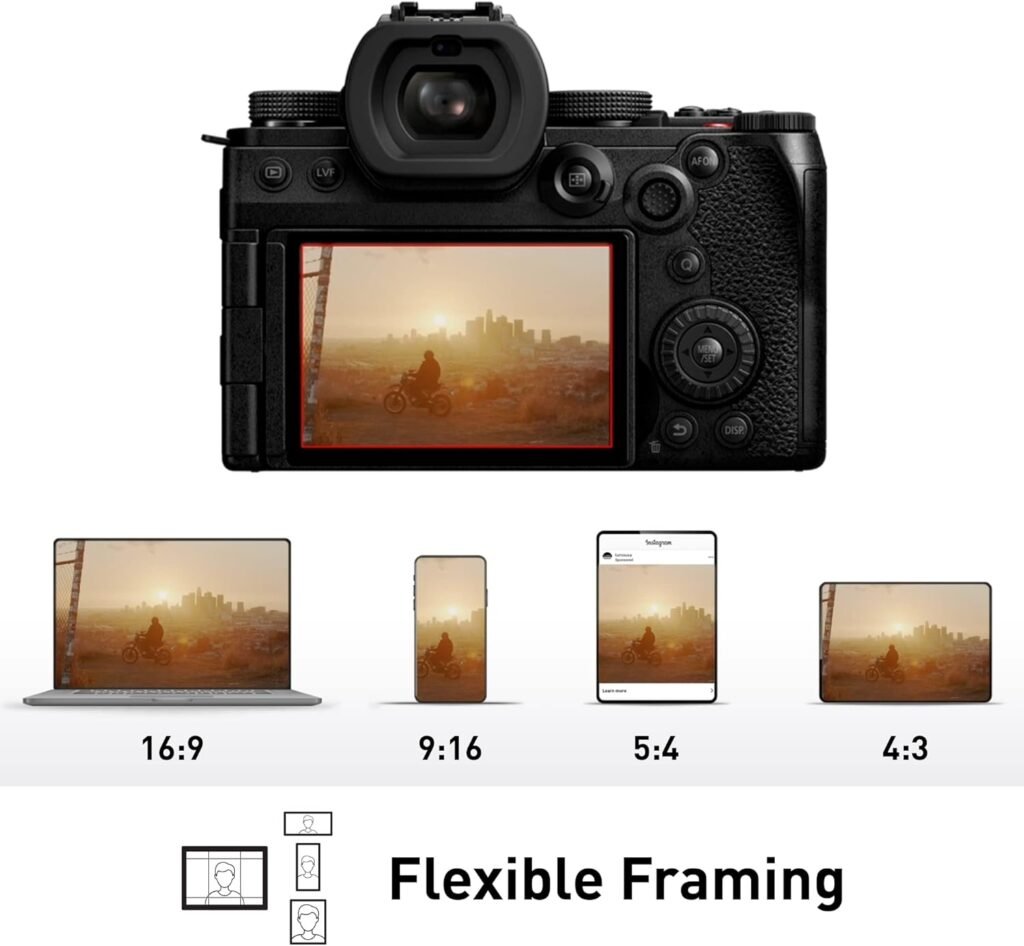
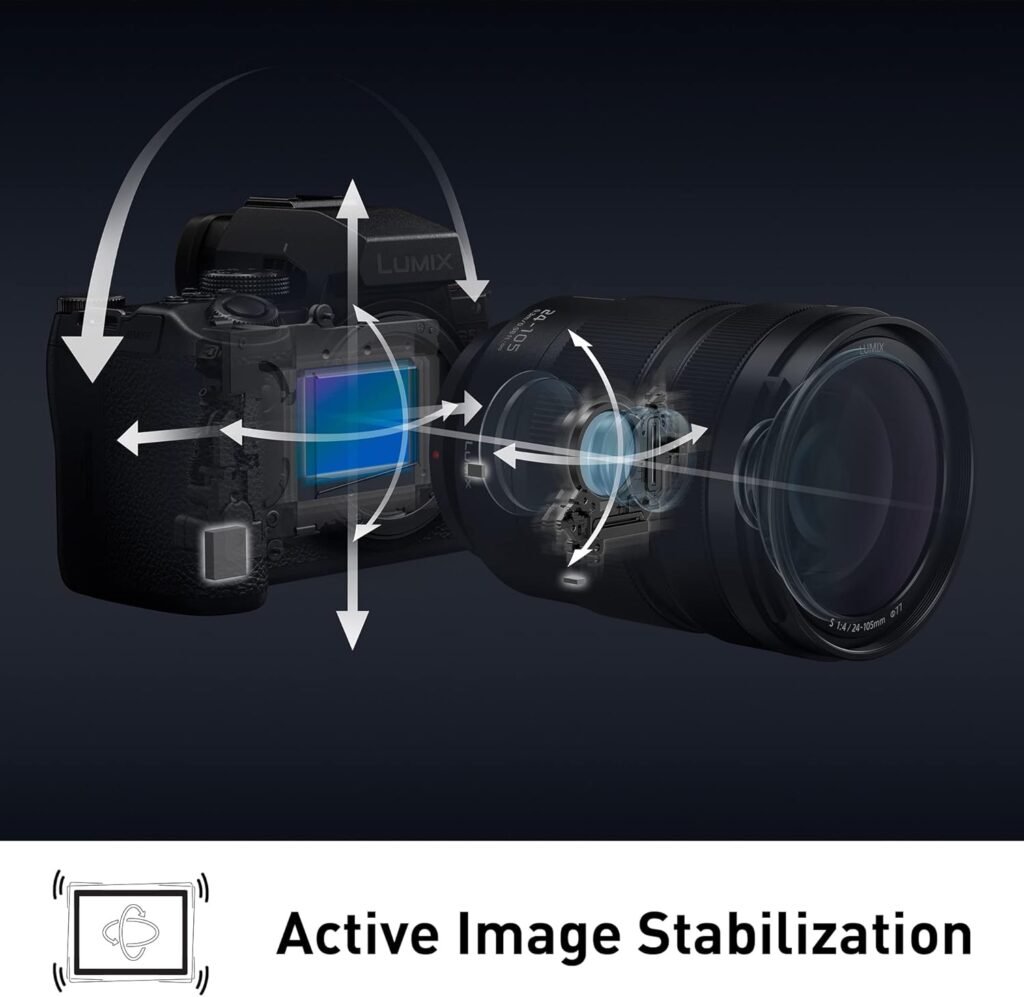
Panasonic Lumix S5 II – Praised for its video-centric features, the Lumix S5 II is favored among property video pros for its 6K 30p video, superb image stabilization, and 10-bit recording. Its professional-grade video options provide flexibility for color grading and post-production, elevating the quality of property videos to cinematic levels.
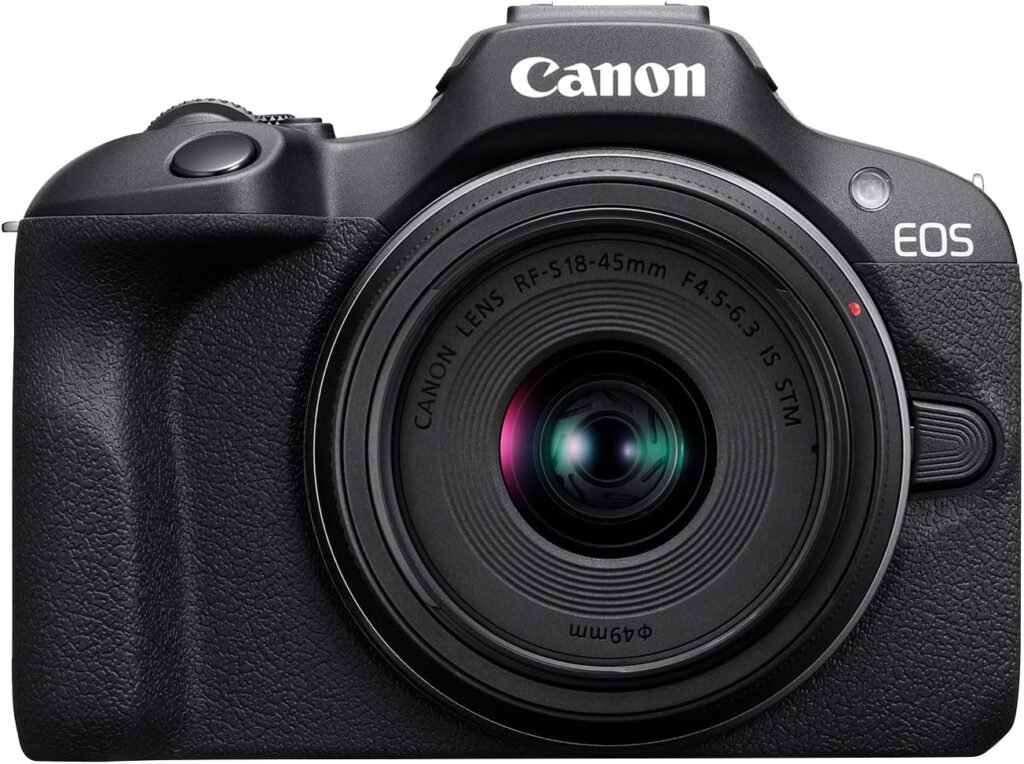
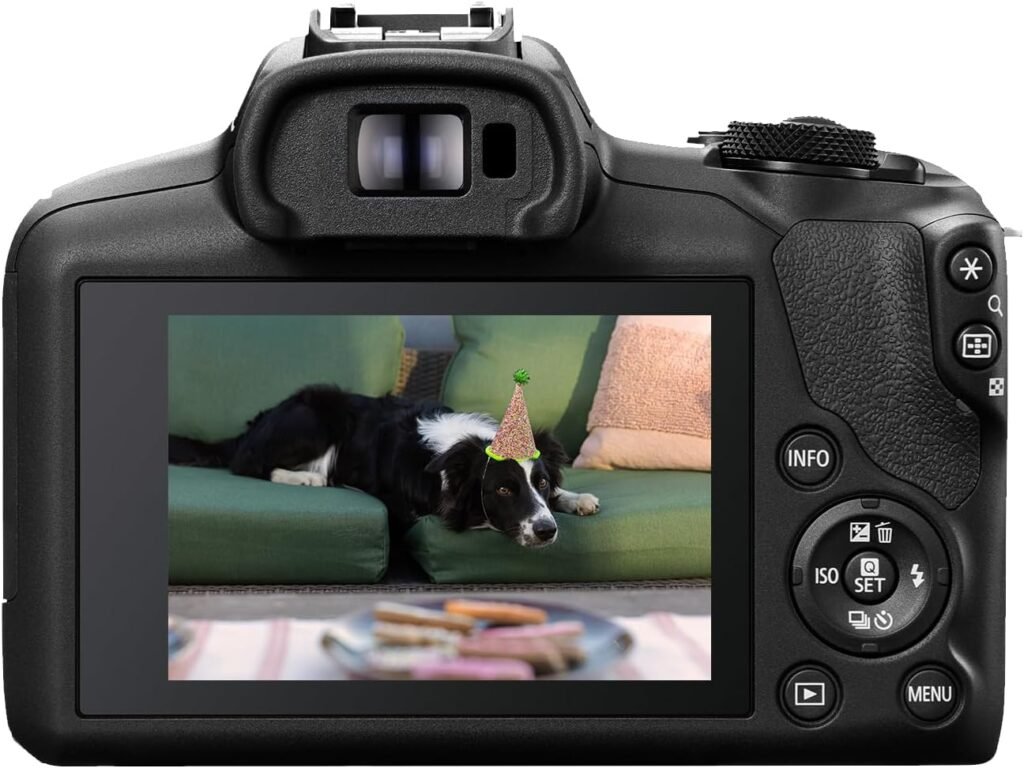
Canon EOS R100 – An accessible mirrorless camera that offers 4K video capabilities optimized for property video pros entering the luxury market. With specific lenses like the RF-S 10-18mm, this camera allows for wide-angle shots that enhance the sense of spaciousness critical in luxury real estate videos.
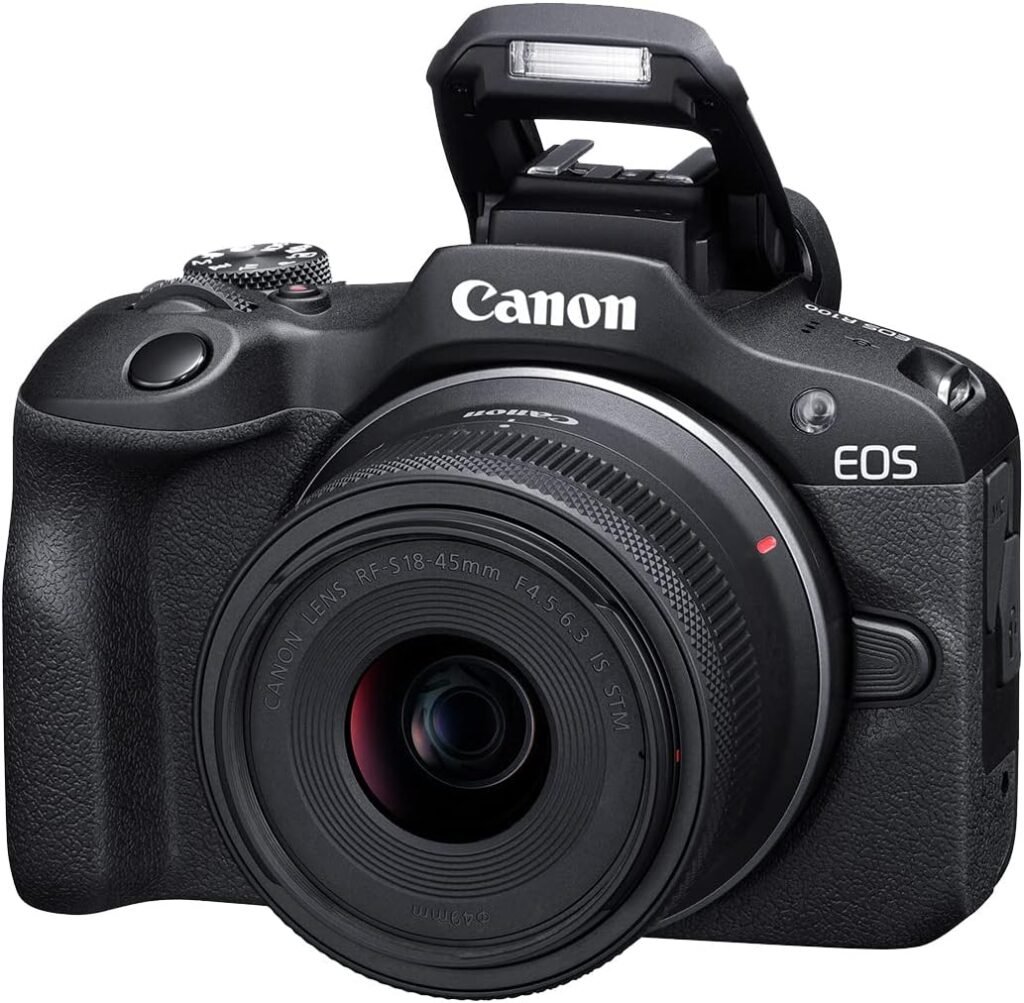
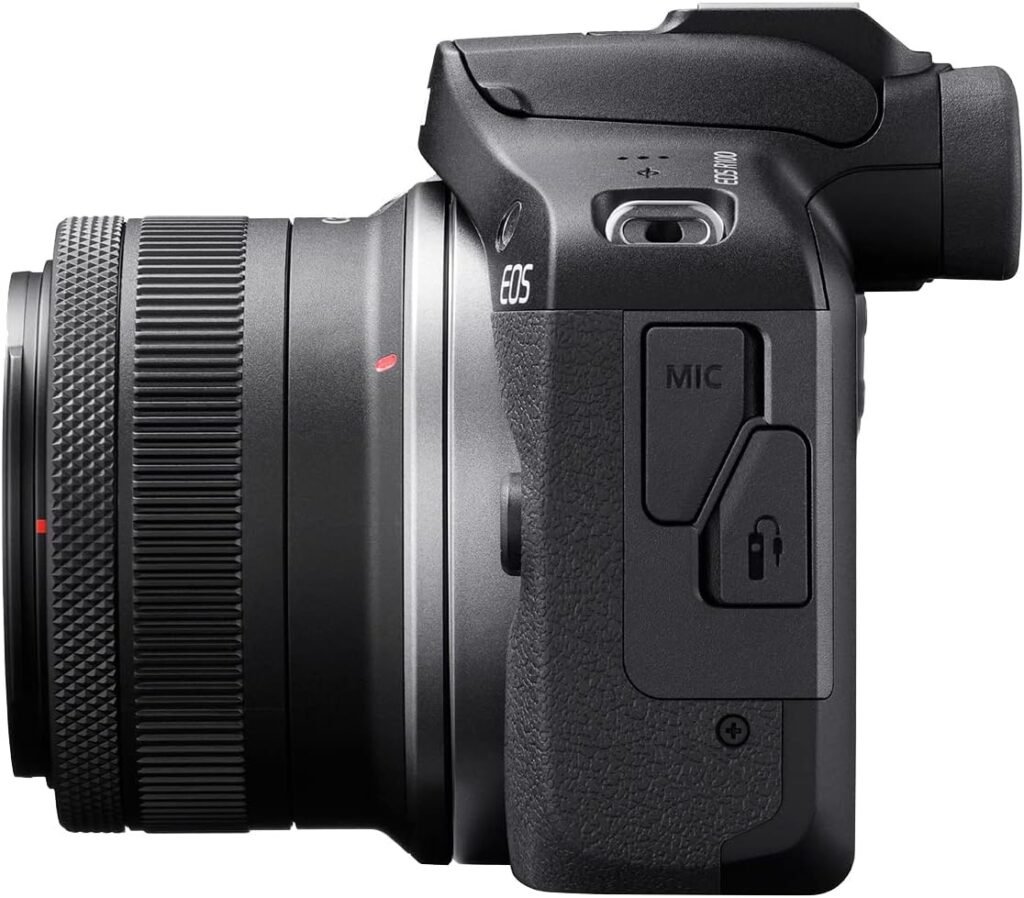
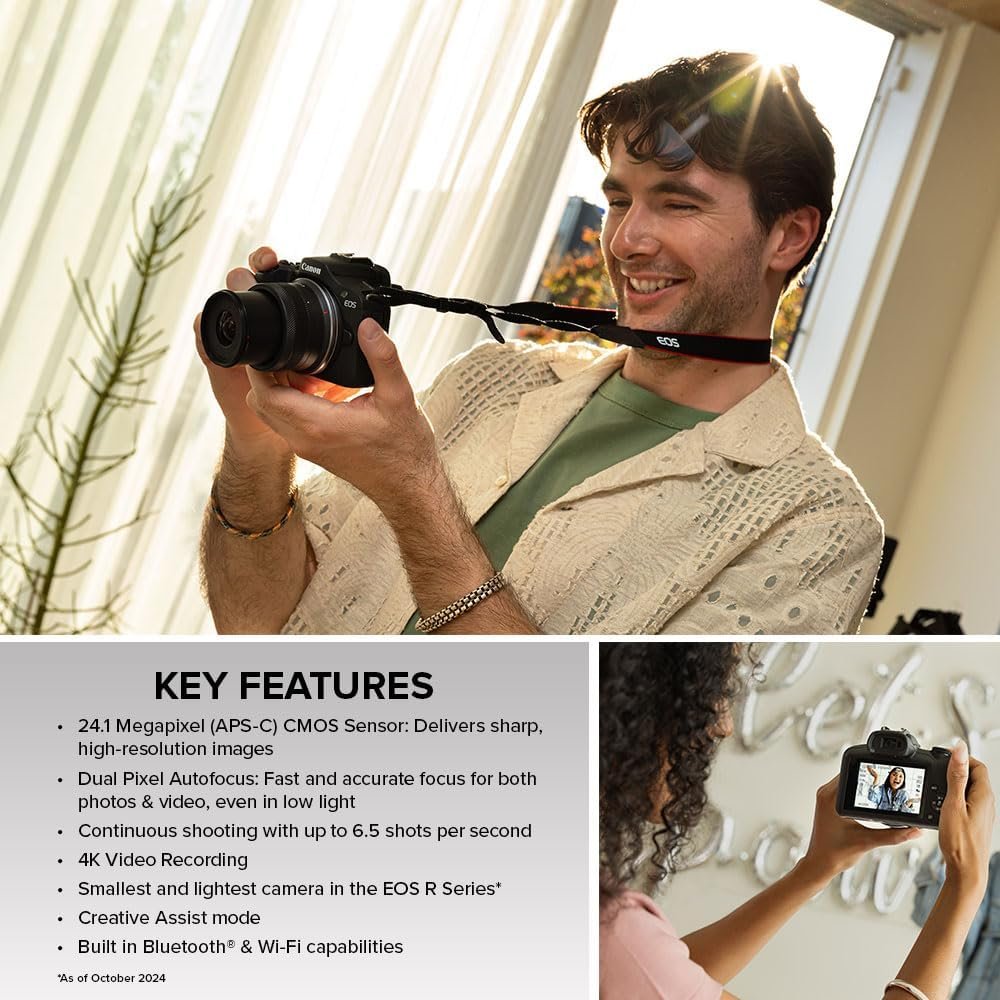
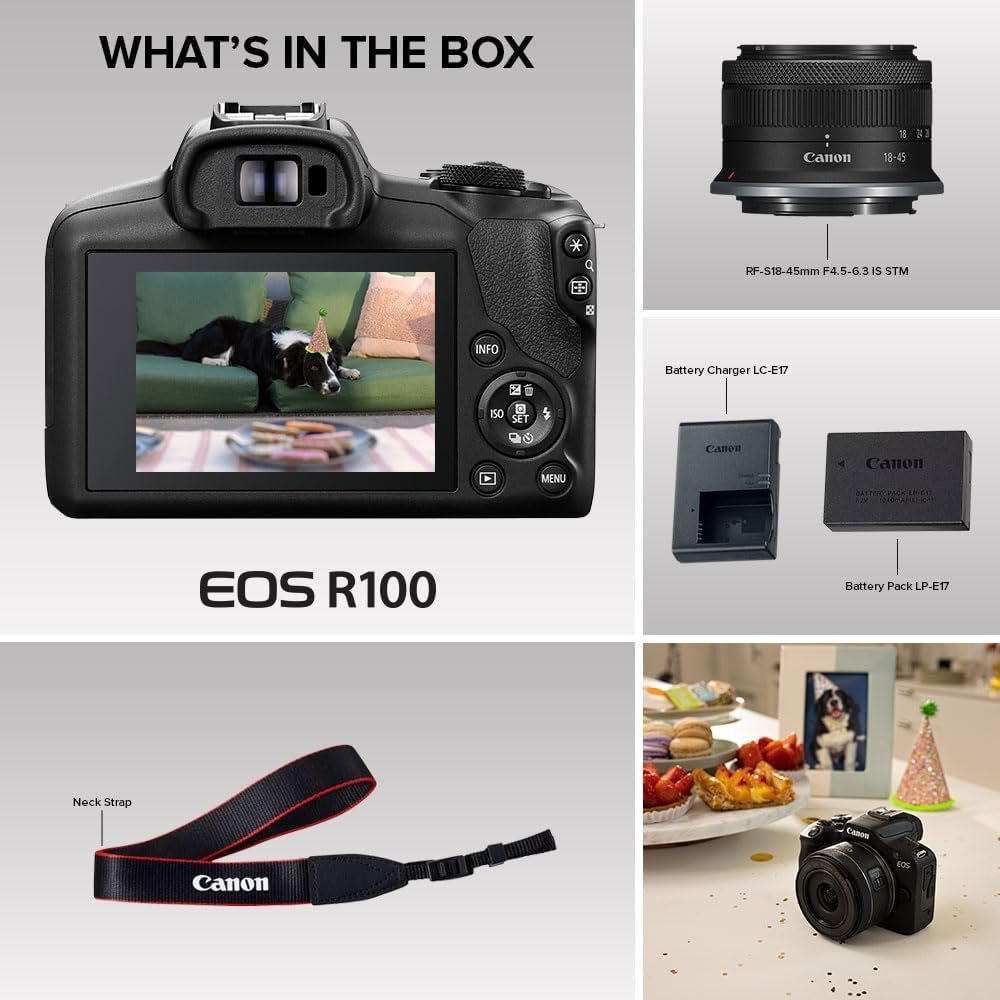
Each model balances different priorities from full-frame sensor superiority to portability and video feature sets, empowering property video pros to tailor their equipment for diverse shooting conditions and client expectations.
Essential Features for Property Video Pros
The best cameras for shooting high-end real estate videos do not simply produce great images—they integrate features that streamline production and ensure professional results with less hassle. Property vid pros prioritize:
- 4K (or higher) Video Resolution: Rendering properties in ultra-high resolution highlights fine architectural details, textures, and finishes critical in luxury listings.
- In-Body Image Stabilization (IBIS): Smooth, shake-free footage is mandatory when filming handheld walkthroughs or drone-follow footage, especially across varying terrains typical of expansive estates.
- High Dynamic Range (HDR) and Log Profiles: Cameras like the Sony A7 III and Panasonic S5 II offer S-Log3 and HLG, enabling property video pros to preserve highlights and shadows for more flexible, cinematic color grading.
- Wide-Angle Lens Compatibility: Real estate videography demands careful lens selection. Cameras that support ultra-wide lenses (10-18mm or 16-35mm) are optimal for maximizing space perception and shooting tight interiors.
- Audio Inputs & Accessories: Crisp audio elevates property videos. Support for external microphones and headphone jacks allows property video pros to capture pristine dialogue, ambient sounds, or narrations—important for bespoke, client-tailored videos.
- Portability and Build Quality: Many shoots require mobility around sprawling properties. Lightweight mirrorless cameras strike a balance between professional build quality and ease of transport.
- Battery Life and Dual Card Slots: Long shoots demand cameras that won’t falter mid-take. Dual card slots provide backup, preventing data loss of valuable footage.
These features collectively empower property vid pros to capture the grandeur and unique aesthetics of luxurious real estate properties efficiently and with impressive visual fidelity.
Enhancing Luxury Real Estate Videos with Camera Technology
Beyond just the camera body, the best property vid pros leverage advanced technology to add depth and cinematic flair to their videos:
- Gimbal Stabilization: Perfectly steady shots create a smooth narrative flow, especially walk-throughs. Cameras like the Nikon Z50 II and Panasonic Lumix S5 II work seamlessly with gimbals for fluid motion.
- Drone Integration: Complementing ground-level video with sweeping aerial shots captures the full scale and setting of luxury estates. Many of the top cameras interface well with drone video workflows or can handle drone-like wide perspectives via appropriate lenses.
- Lighting and Color Science: Cameras that excel in low light with accurate color reproduction reduce the need for extensive lighting setups—a boon on location. Panasonic’s Lumix technology is often praised for its color science suited to skin tones and natural interiors in real estate contexts.
- Post-Production Flexibility: Cameras supporting 10-bit recording and higher bitrates produce footage more suited for color grading, enabling property video pros to craft detailed, high-impact stories that resonate with affluent buyers.
- Virtual Tours and 3D Capture Synergy: Property vid pros increasingly integrate video with immersive 3D technology for virtual tours, pairing cinematic footage with interactive property exploration.
- Workflow Efficiency: Cameras offering features like 4K Frame Grab enable property vid pros to simultaneously create still images from video footage—saving time on shoot days without compromising quality.
The culmination of these technologies ensures that property video pros in 2025 are equipped not only to shoot stunning videos but also to deliver luxurious, immersive experiences that drive sales and client satisfaction.
Frequently Asked Questions
- What is the best camera type for luxury real estate videos?
Full-frame mirrorless cameras with strong video capabilities and stabilization, such as the Sony A7 III, are the best choice for professional real estate videography. - Are mirrorless cameras better than DSLRs for property vid pros?
Yes, mirrorless cameras are generally lighter, quieter, and offer superior video features including better autofocus and IBIS, making them ideal for property video pros. - How important is 4K video for real estate listings?
Extremely important, as 4K captures more detail and allows for cropping without loss, enhancing the visual appeal of high-end properties. - Can drones replace traditional property video cameras?
Drones complement but do not replace ground-level cameras; the best property vid pros use both for a comprehensive portrayal of luxury estates. - What lenses work best for high-end property video?
Ultra-wide lenses (10-18mm or 16-35mm) and fast prime lenses for interior low light are essential to capture space and detail.
Conclusion
In 2025, the landscape for property video pros in the luxury real estate market continues to evolve dramatically with camera technology at its core. The right choice of camera, from versatile mirrorless full-frame models to advanced APS-C options, directly impacts the quality and effectiveness of luxury property videos. Beyond resolution and raw specs, features like in-body stabilization, advanced video profiles, and accessory compatibility define the productivity and final output of property video pros.
Equipped with these cutting-edge tools, property video pros are not just filming homes—they are crafting compelling visual narratives that elevate exclusivity and allure, ultimately driving buyer engagement and closing high-value deals. As the market grows more competitive, video marketing is no longer optional but essential for luxury real estate success.
For anyone serious about property videography in the luxe sector, investing in top-tier cameras and understanding the unique demands of the market ensures videos that captivate, inform, and sell. The best cameras in 2025 empower property vid pros to deliver such excellence every time they step on location.
This FAQ section addresses common technical and workflow questions property vid pros encounter in luxury real estate videography, enhancing their professional expertise.
What camera features should property vid pros prioritize for luxury real estate videos?
Property vid pros should focus on cameras with excellent 4K video quality, in-body image stabilization (IBIS), high dynamic range (HDR), and support for professional video profiles like S-Log or HLG. These features ensure crisp, smooth footage with rich colors and flexibility in post-production, essential for showcasing luxury properties effectively.
Are mirrorless cameras better than DSLRs for property video pros?
Yes. Mirrorless cameras are generally more compact, lighter, and quieter, providing superior autofocus performance and better video features such as IBIS. These benefits make mirrorless models preferred by property video pros who require mobility and high-quality results during extensive property shoots.
Which lenses are ideal for luxury real estate videography?
Ultra-wide lenses, typically between 10mm and 18mm, are essential for capturing spacious interiors and expansive outdoor views. Fast prime lenses (with wide apertures) are also recommended for shooting in low light, preserving detail without noise.
How important is audio quality in property videos?
Audio quality matters significantly when narration or interviews are included. Property vid pros should use cameras with external microphone inputs and headphone jacks to monitor and record clear audio, enhancing the professionalism of the final video.
Can drones replace traditional camera setups for property videos?
Drones provide spectacular aerial views but do not replace ground-level videography. A combined approach using drones and handheld or stabilized cameras allows property video pros to deliver a comprehensive visual storytelling experience for luxury properties.
What’s the average shooting workflow for a property vid pro?
Most property video pros start with wide establishing shots, then move to smooth walkthroughs using gimbals. Detail shots of finishes and architectural features follow, often supplemented by aerial drone footage. Post-production includes color grading, stabilization fine-tuning, and using log footage to maximize image quality.