
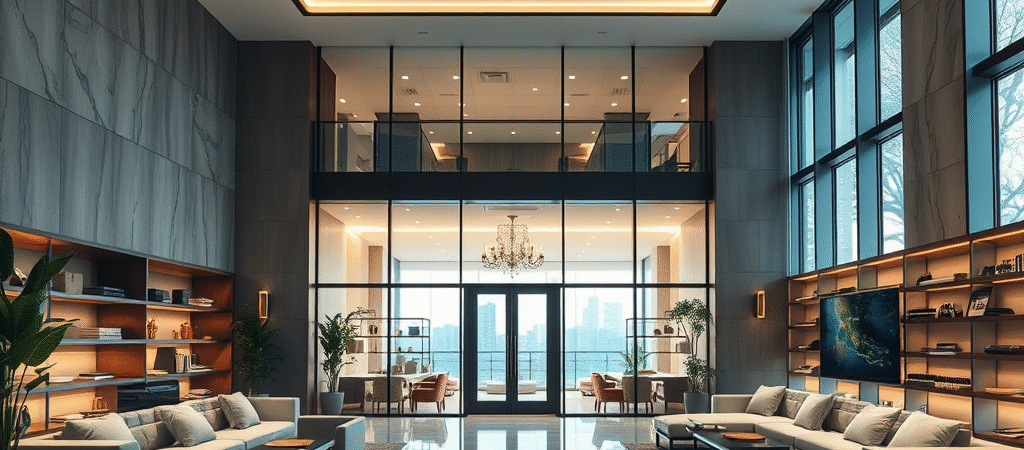
In today’s competitive real estate market, the ability to create captivating property showcases is essential for success. One powerful tool that can elevate your listings is video editing, transforming basic footage into stunning visual narratives that capture the essence of a home. Mastering real estate video editing isn’t just about cutting clips; it’s about weaving a story that resonates with potential buyers. This article will guide you through essential tips and techniques to enhance your video skills, from choosing the right software to mastering lighting and sound. Discover how to highlight unique features, evoke emotions, and present properties in a way that leaves a lasting impression. Whether you’re a seasoned real estate professional or just starting, these insights will help you create eye-catching videos that stand out in listings and drive engagement. Get ready to take your property showcases to the next level and attract buyers with compelling visual content.
Mastering Real Estate Video Editing: Tips and Techniques for Stunning Property Showcases
Importance of Video in Real Estate Marketing
In the digital age, video has become an indispensable part of real estate marketing. It allows agents to create an immersive experience for potential buyers, giving them a virtual tour of the property from the comfort of their own homes. Videos can capture the essence of a property in ways that static images and text descriptions simply cannot. They provide a dynamic view that can highlight the flow of spaces, the quality of light, and the ambiance of each room. This is particularly important in real estate, where first impressions are crucial.
Moreover, videos are incredibly versatile tools that can be shared across multiple platforms, including social media, real estate websites, and email campaigns. They can be tailored to different audiences, whether it’s a quick teaser for Instagram or a detailed walkthrough for YouTube. The shareability of video content also means that listings can reach a wider audience, increasing the chances of attracting the right buyer. In a competitive market, this can make a significant difference in how quickly a property sells and at what price.
Additionally, video marketing helps build trust and credibility with potential buyers. High-quality videos signal professionalism and attention to detail, traits that buyers look for in a real estate agent. They also provide a transparent view of the property, helping to set realistic expectations and reduce the likelihood of surprises during physical walkthroughs. By investing in video marketing, real estate professionals can not only showcase properties effectively but also enhance their brand reputation.
Essential Tools for Real Estate Video Editing
To create stunning property showcases, having the right video editing tools is essential. The first step is choosing a video editing software that suits your needs and skill level. Popular options include Adobe Premiere Pro, Final Cut Pro, and DaVinci Resolve. These programs offer a range of features, from basic trimming and cutting to advanced color grading and special effects. For beginners, more user-friendly options like iMovie or Adobe Premiere Rush can be a good starting point, offering intuitive interfaces and essential editing capabilities.
In addition to software, hardware plays a crucial role in video editing. A powerful computer with a fast processor, ample RAM, and a dedicated graphics card can significantly speed up the editing process and handle high-resolution footage smoothly. An external hard drive or SSD for storing large video files is also recommended to keep your main system free from clutter and ensure quick access to your files. For those who travel frequently or prefer a mobile setup, a high-performance laptop with similar specifications can be a great investment.
Other essential tools include a reliable camera for capturing high-quality footage, a tripod for stable shots, and good lighting equipment to ensure your videos are well-lit and visually appealing. A quality microphone can greatly enhance the audio quality, making the narration or background sounds clear and professional. For those looking to add aerial shots, a drone can offer unique perspectives and impressive visuals that can set your property showcases apart from the competition. By equipping yourself with the right tools, you can elevate your video production and create compelling real estate content that attracts and engages viewers.
Key Techniques for Captivating Property Showcases
Creating captivating property showcases involves more than just filming the property; it requires a strategic approach to highlight its best features and tell a compelling story. One key technique is to start with a strong opening shot that grabs viewers’ attention. This could be an aerial view of the property, a sweeping shot of the exterior, or a stunning interior feature. The goal is to create an immediate impact and entice viewers to keep watching.
Another important technique is to use smooth and steady camera movements. This can be achieved through the use of tripods, gimbals, or sliders. Smooth movements provide a professional look and make it easier for viewers to follow the flow of the property. Avoid shaky footage, as it can be distracting and take away from the overall quality of the video. Panning shots that slowly reveal different areas and transitions that guide the viewer through the property can create a seamless and engaging viewing experience.
It’s also essential to focus on the property’s unique selling points. Whether it’s a modern kitchen, a spacious backyard, or a luxurious master suite, make sure to highlight these features prominently. Use close-up shots to capture intricate details and wide-angle lenses to showcase the full scope of larger spaces. Additionally, consider incorporating lifestyle elements, such as showing how a space can be used for entertaining or relaxation. This helps potential buyers envision themselves living in the property and creates an emotional connection.
Understanding the Basics of Video Composition
Effective video composition is crucial for creating visually appealing and professional-looking property showcases. One fundamental principle is the rule of thirds, which involves dividing the frame into a grid of nine equal parts and placing key elements along these lines or at their intersections. This technique helps create balanced and aesthetically pleasing shots. For example, placing the horizon line along the top or bottom third of the frame can make an exterior shot more dynamic.
Another important aspect of composition is framing. Pay attention to how elements are positioned within the frame and use natural lines, such as doorways, windows, and furniture, to guide the viewer’s eye. Proper framing can help emphasize the most important features of a space and create a sense of depth. Avoid cluttered or busy backgrounds, as they can distract from the main subject. Instead, aim for clean and simple compositions that draw attention to the property’s best attributes.
Lighting is also a critical component of video composition. Natural light is often the best option for real estate videos, as it creates a warm and inviting atmosphere. Shoot during the golden hours, shortly after sunrise or before sunset, to take advantage of soft, diffused light. When shooting indoors, use additional lighting equipment to ensure the space is well-lit and free from harsh shadows. Proper lighting enhances the overall look of the video and makes the property appear more attractive.
Color Grading and Its Impact on Property Appeal
Color grading is a powerful technique that can significantly enhance the visual appeal of your real estate videos. It involves adjusting the colors, contrast, and brightness of the footage to create a consistent and polished look. Color grading can help set the mood, highlight specific features, and create a cohesive visual style that aligns with your branding. For example, warmer tones can create a cozy and inviting atmosphere, while cooler tones can give a modern and sophisticated feel.
One of the first steps in color grading is to correct the white balance, ensuring that the colors in your footage appear natural and accurate. This is especially important for real estate videos, as potential buyers need to see the true colors of the property. After correcting the white balance, adjust the exposure and contrast to enhance the overall clarity and detail of the video. Boosting the highlights and shadows can add depth and dimension, making the property look more vibrant and appealing.
Creative color grading can also be used to highlight specific areas or features of the property. For instance, you can increase the saturation of a beautifully landscaped garden or add a slight vignette to draw attention to a stunning fireplace. Subtle color adjustments can guide the viewer’s eye and emphasize the most attractive aspects of the property. However, it’s important to avoid overdoing it, as overly dramatic color grading can look unnatural and detract from the video’s credibility. Aim for a balanced and tasteful approach that enhances the property’s appeal without overshadowing its natural beauty.
Incorporating Music and Sound Effects for Engagement
Music and sound effects play a crucial role in enhancing the overall impact of your real estate videos. The right soundtrack can set the tone, evoke emotions, and keep viewers engaged throughout the video. When selecting music, consider the style and atmosphere of the property. For a modern and sleek home, an upbeat and contemporary track might be suitable, while a classical or acoustic piece could complement a more traditional or luxury property.
In addition to background music, sound effects can add depth and realism to your videos. For example, ambient sounds like birds chirping, water flowing, or footsteps on hardwood floors can create a more immersive experience for viewers. These subtle audio elements help convey the atmosphere of the property and make the video feel more authentic. When adding sound effects, ensure they are well-balanced and do not overpower the narration or music.
Narration is another valuable audio component, providing context and highlighting key features of the property. A clear and professional voiceover can guide viewers through the video, offering insights and details that might not be immediately apparent from the visuals alone. When recording narration, use a high-quality microphone and a quiet environment to ensure clarity and avoid background noise. By combining music, sound effects, and narration, you can create a rich and engaging audio experience that complements the visual elements of your real estate videos.
Tips for Adding Text and Graphics to Videos
Text and graphics can enhance your real estate videos by providing additional information and emphasizing key points. When adding text, keep it concise and easy to read. Use large, legible fonts and ensure there is enough contrast between the text and the background. Consider using text overlays to highlight important details, such as the property’s address, price, or unique features. These can be especially useful for viewers who may be watching the video without sound.
Lower thirds are a common graphic element used in video production, typically placed in the lower part of the screen to display information such as the agent’s name, contact details, or the property’s key attributes. These graphics should be designed to match the overall style and branding of the video, maintaining a consistent and professional look. Animated graphics can also add a dynamic touch, but use them sparingly to avoid cluttering the screen or distracting from the main content.
Virtual staging is another innovative technique that can be incorporated into real estate videos. This involves adding digital furniture, decor, and other elements to empty or sparsely furnished spaces, helping potential buyers visualize how the property can be used. Virtual staging can be particularly effective for showcasing the potential of a home without the need for physical staging, saving time and costs. By thoughtfully incorporating text and graphics, you can enhance the clarity and impact of your real estate videos, making them more informative and visually appealing.
Common Mistakes to Avoid in Real Estate Video Editing
While video editing can significantly enhance your real estate marketing efforts, there are common mistakes that can undermine the effectiveness of your videos. One frequent error is using shaky or unstable footage. This can be distracting and give the impression of amateurish production. To avoid this, always use a tripod or stabilizer when filming, and consider investing in a gimbal for smooth camera movements.
Another mistake is over-editing or using excessive effects. While it can be tempting to add flashy transitions, filters, and animations, these can often detract from the main content and appear unprofessional. Aim for a clean and polished look that enhances the property’s features without overwhelming the viewer. Subtle transitions and effects can add a professional touch, but they should never overshadow the property’s natural appeal.
Poor lighting is another common issue that can negatively impact the quality of your videos. Ensure that all areas of the property are well-lit, and avoid harsh shadows or overly bright spots. Natural light is ideal, but additional lighting equipment may be necessary for indoor shots. Pay attention to the color temperature of your lights to maintain a consistent and natural look throughout the video. By being mindful of these common mistakes and taking steps to avoid them, you can produce high-quality real estate videos that effectively showcase your properties.
Conclusion: Elevating Your Real Estate Marketing Through Video
In conclusion, mastering real estate video editing is a powerful way to elevate your marketing efforts and create stunning property showcases. By understanding the importance of video in real estate marketing, equipping yourself with the right tools, and applying key techniques, you can produce videos that captivate and engage potential buyers. From the basics of video composition to advanced color grading, music incorporation, and the strategic use of text and graphics, each element plays a crucial role in crafting compelling visual narratives.
Avoiding common mistakes and focusing on delivering high-quality, professional content will set you apart in a competitive market. Remember, the goal is not just to show a property but to tell a story that resonates with viewers and helps them envision themselves in their future home. As you refine your video editing skills and experiment with different approaches, you’ll find new ways to highlight the unique features of each property and connect with your audience on a deeper level.
Whether you’re a seasoned real estate professional or just starting, investing time and effort into mastering video editing can have a significant impact on your success. By creating eye-catching videos that stand out in listings and drive engagement, you’ll attract more buyers and achieve better outcomes for your clients. So, embrace the power of video, hone your editing skills, and take your property showcases to the next level. The future of real estate marketing is visual, and with these insights, you’re well-equipped to lead the way.